🎉 Up to 70% Off Selected ItemsShop Sale

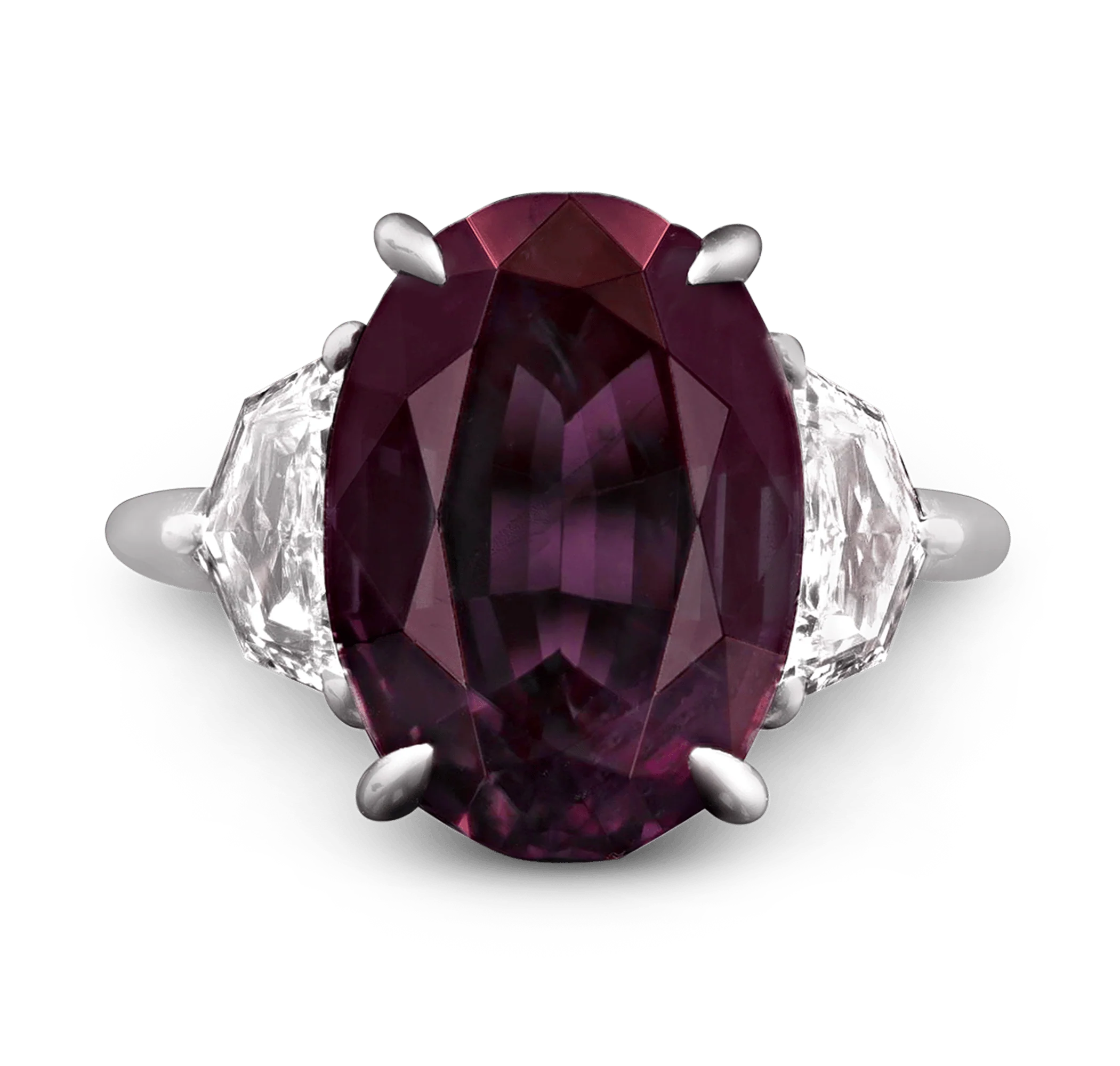
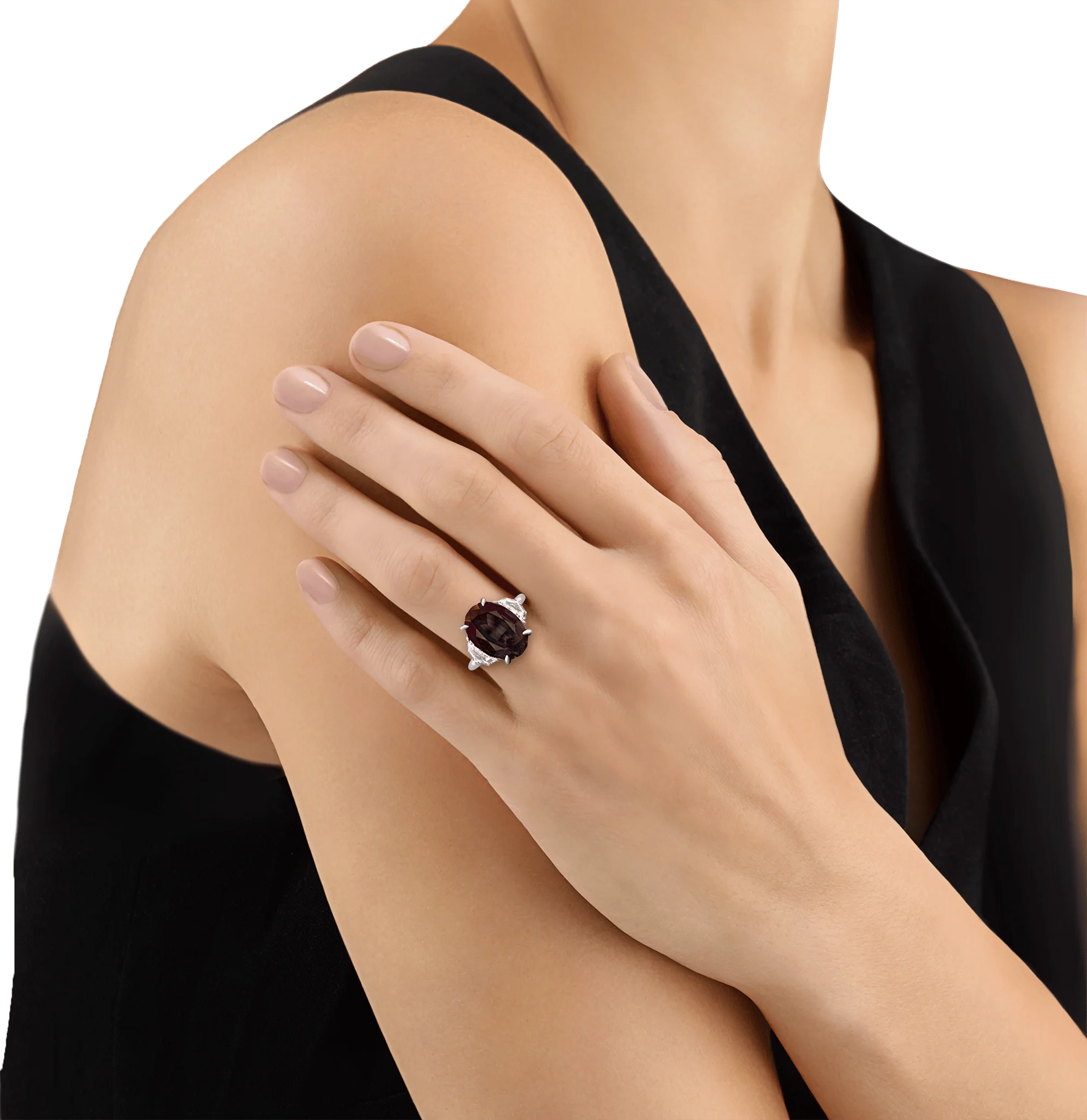
Color-Change Brazilian Alexandrite Ring, 4.74 Carats
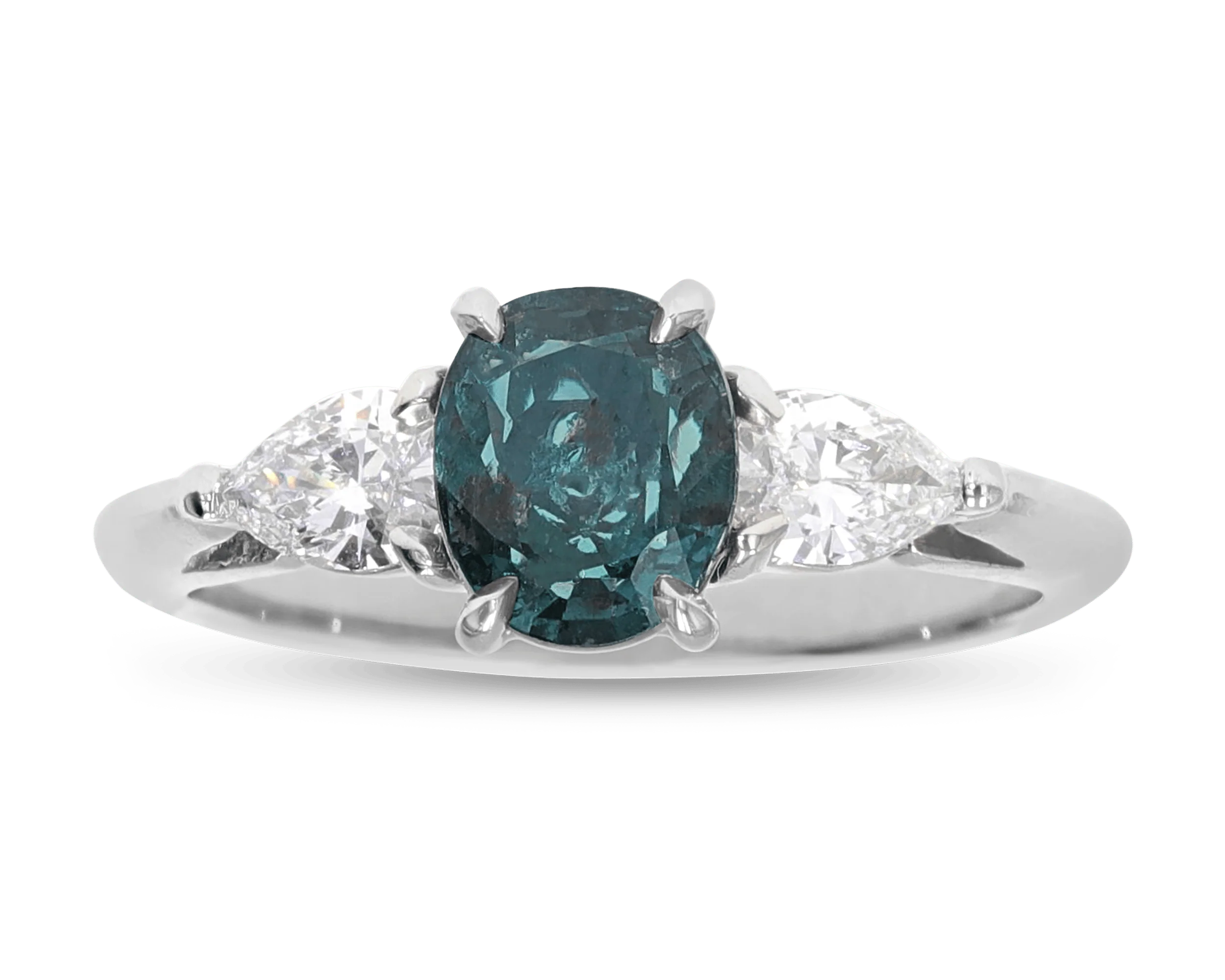
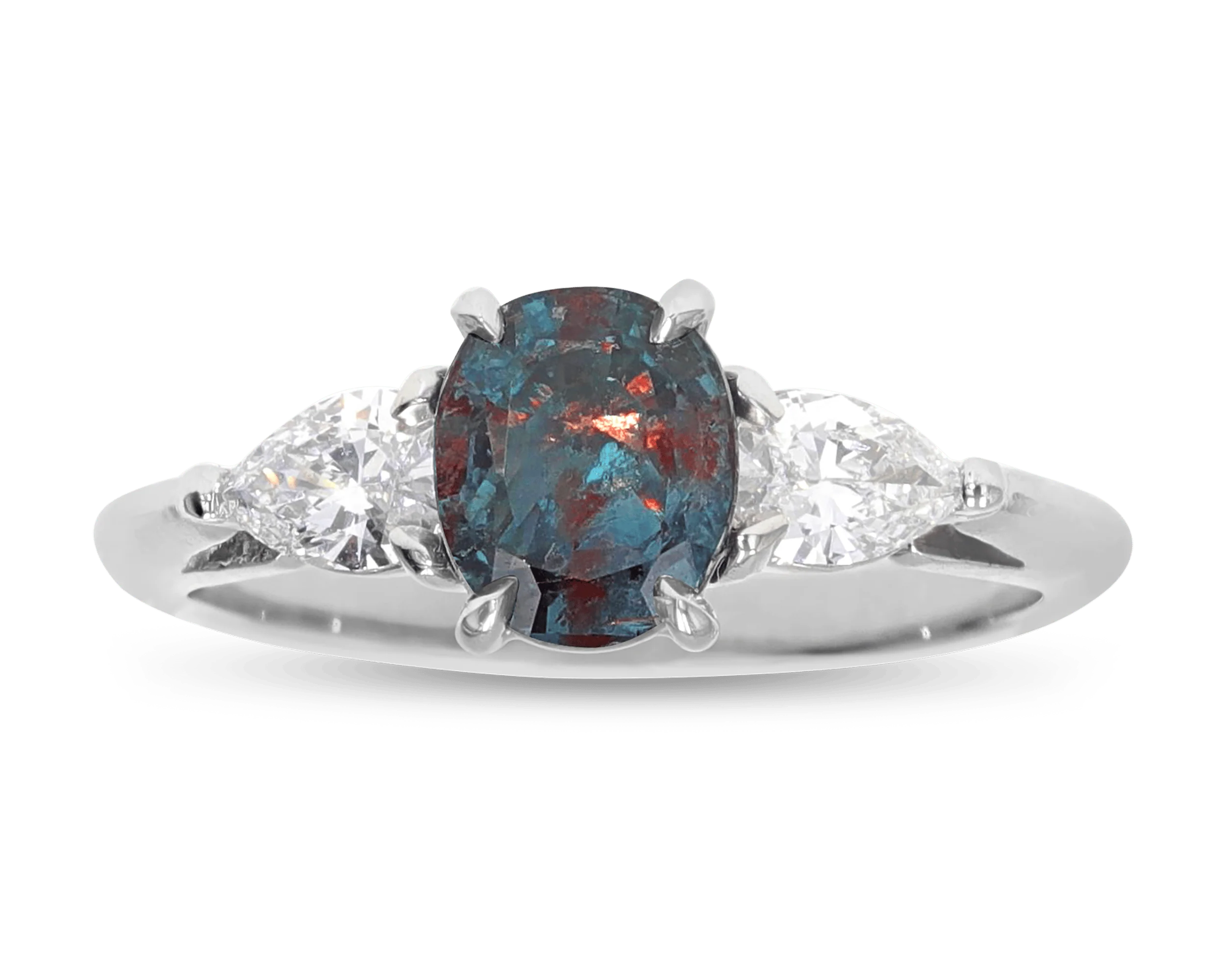
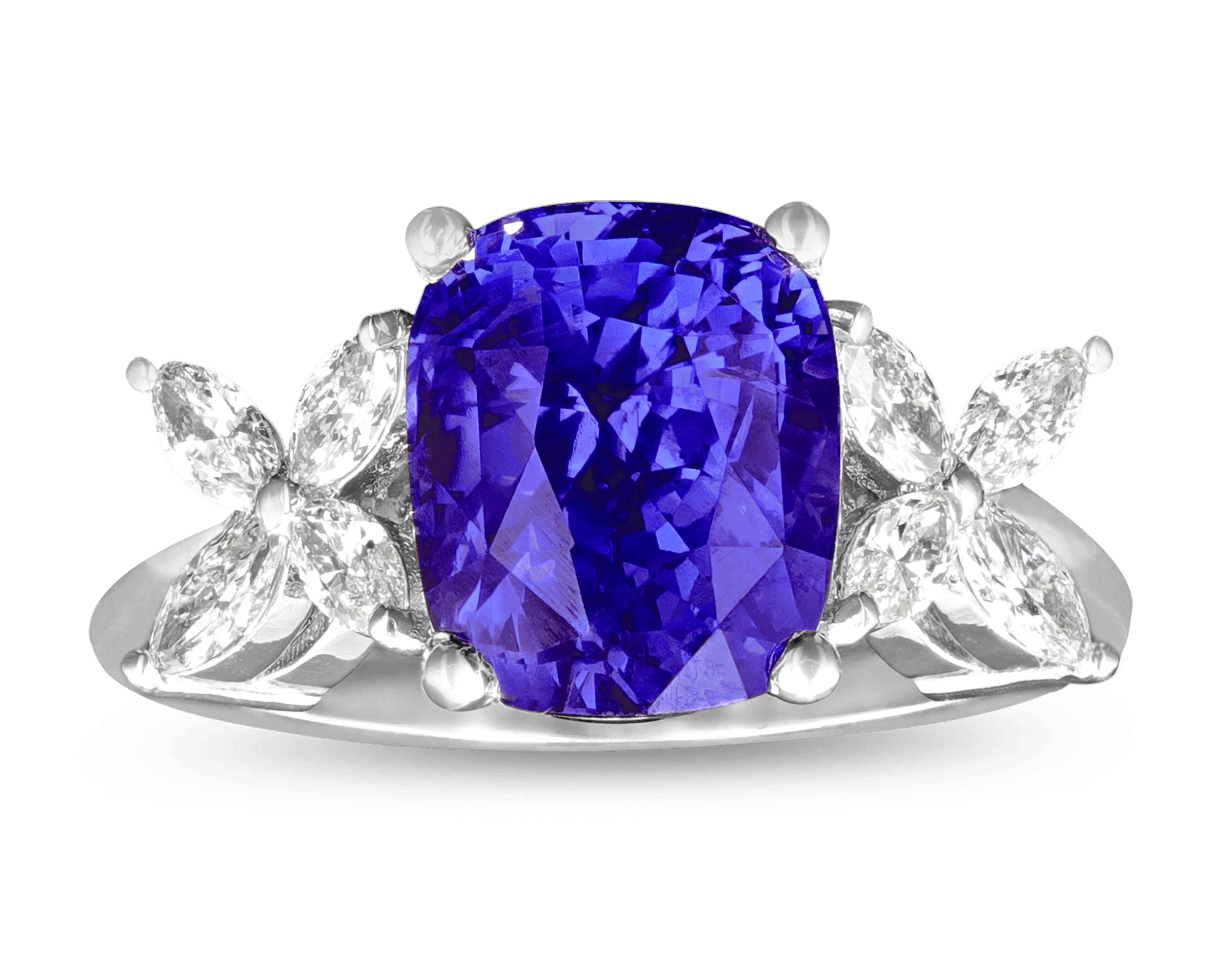
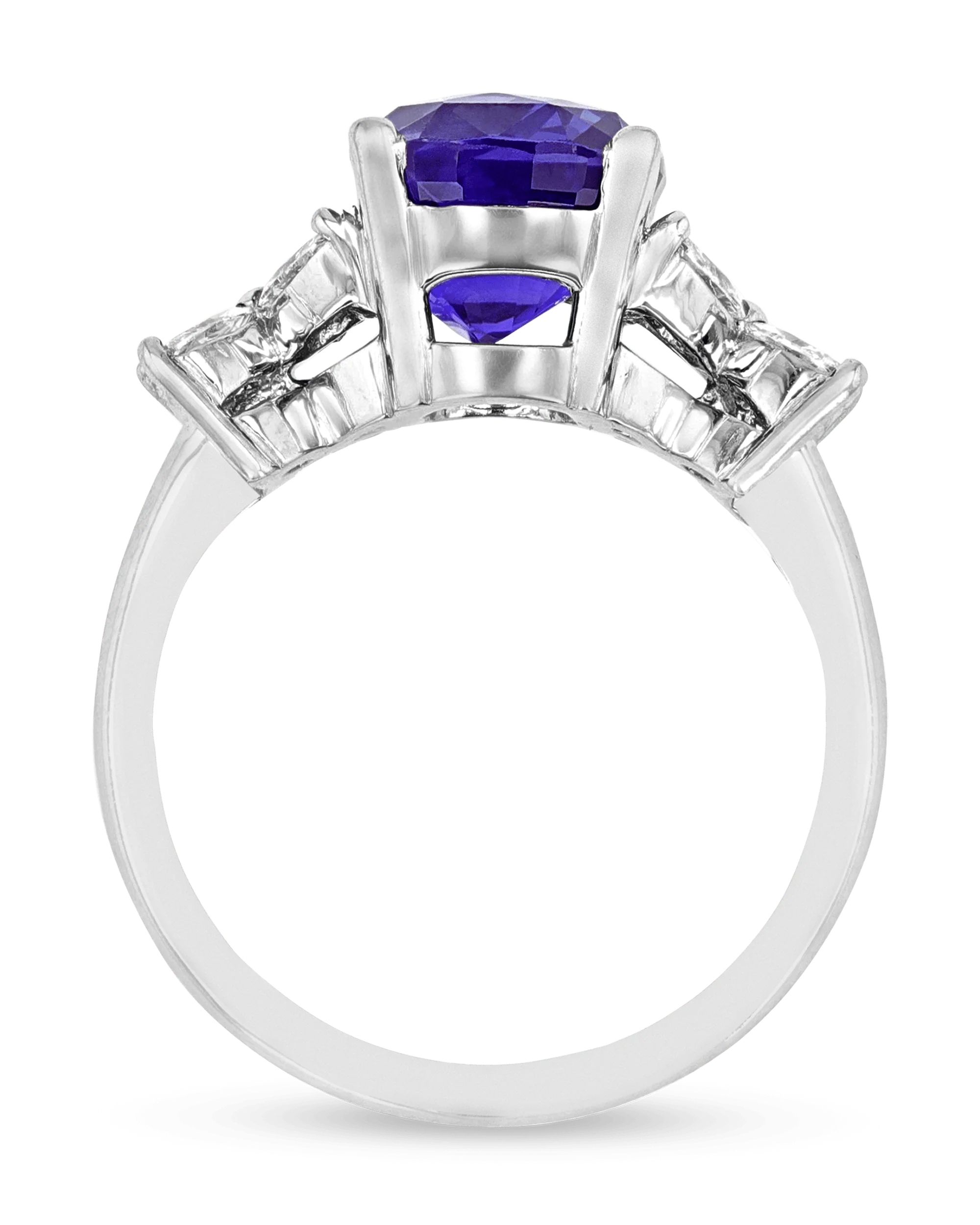
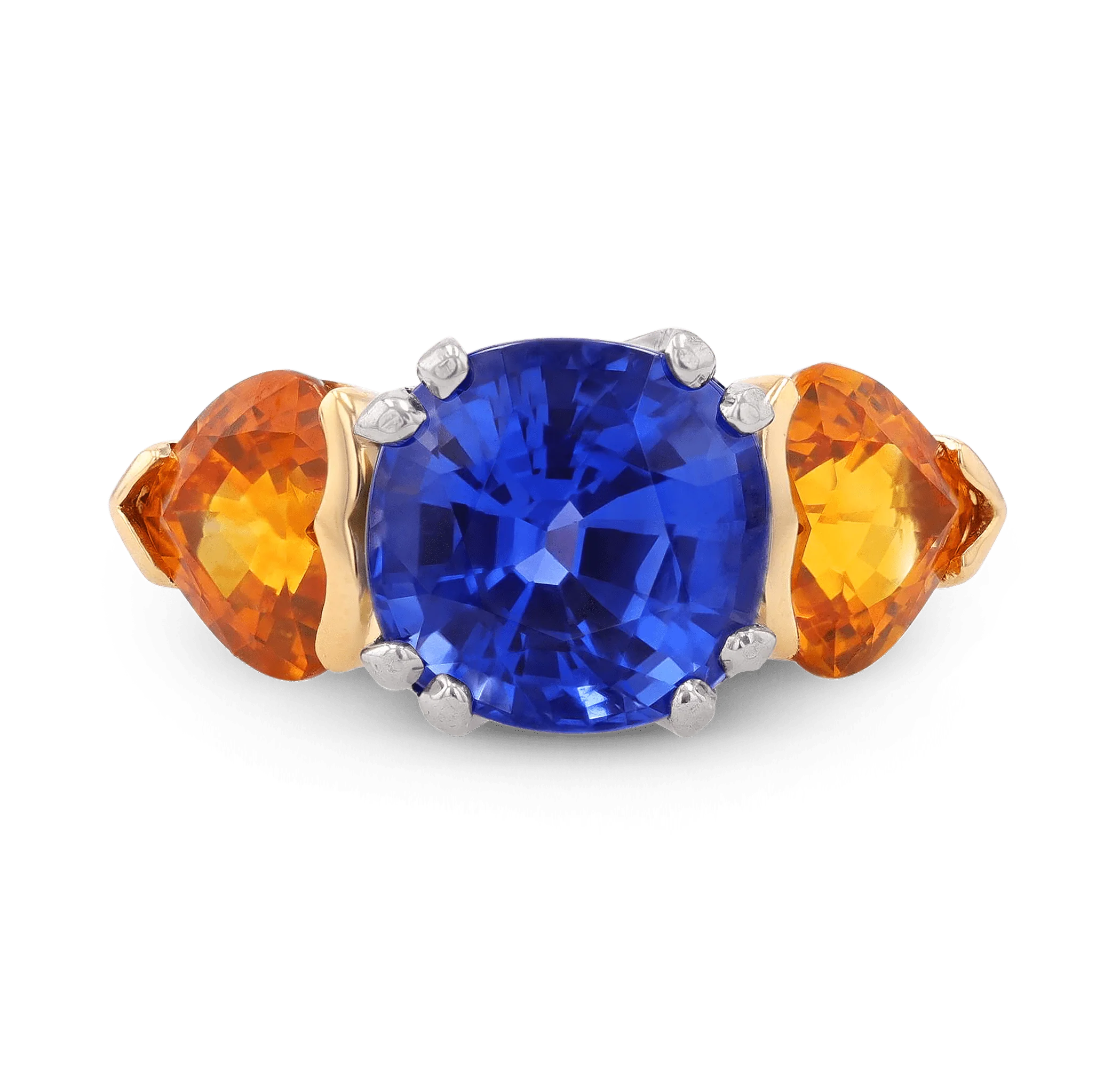
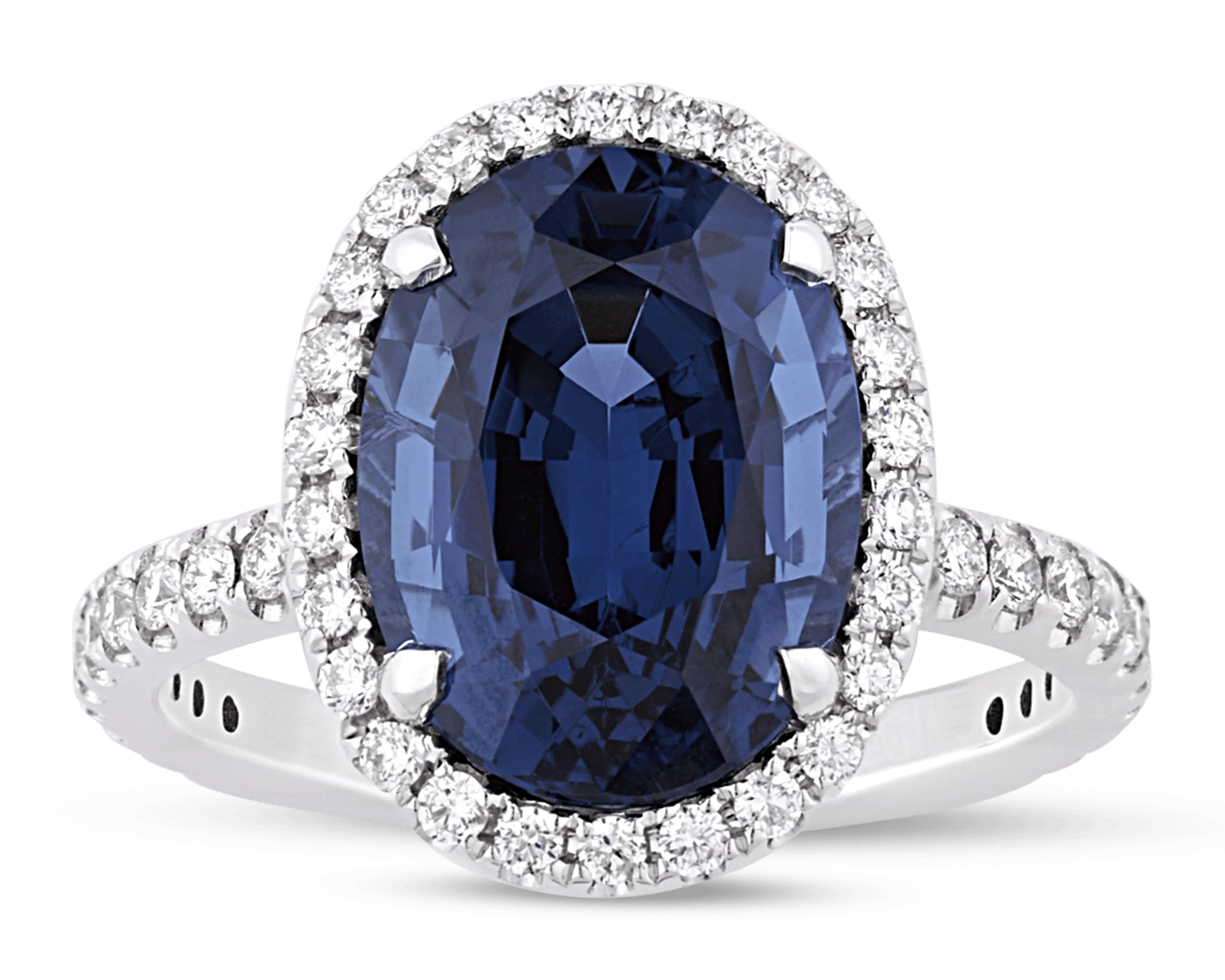
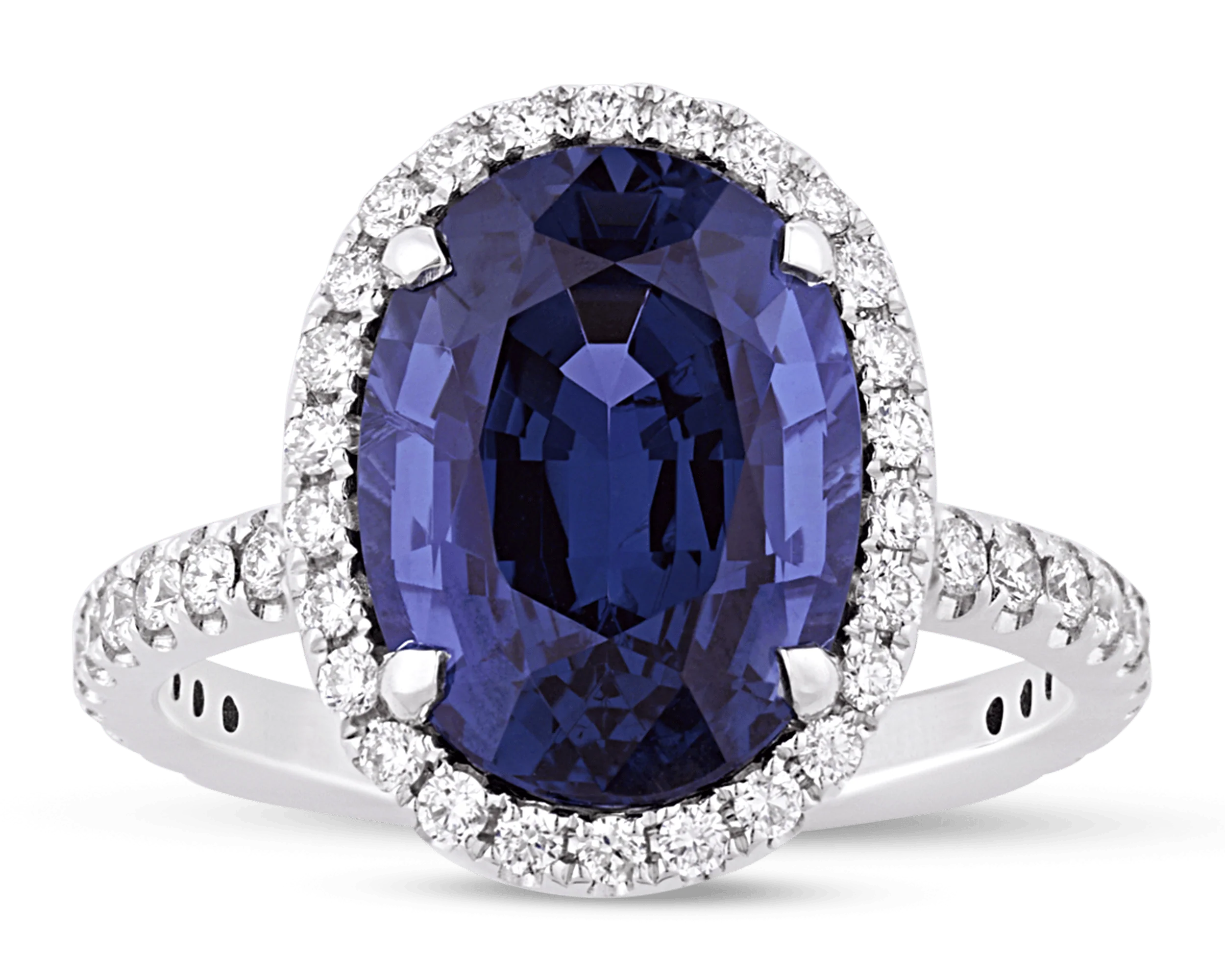
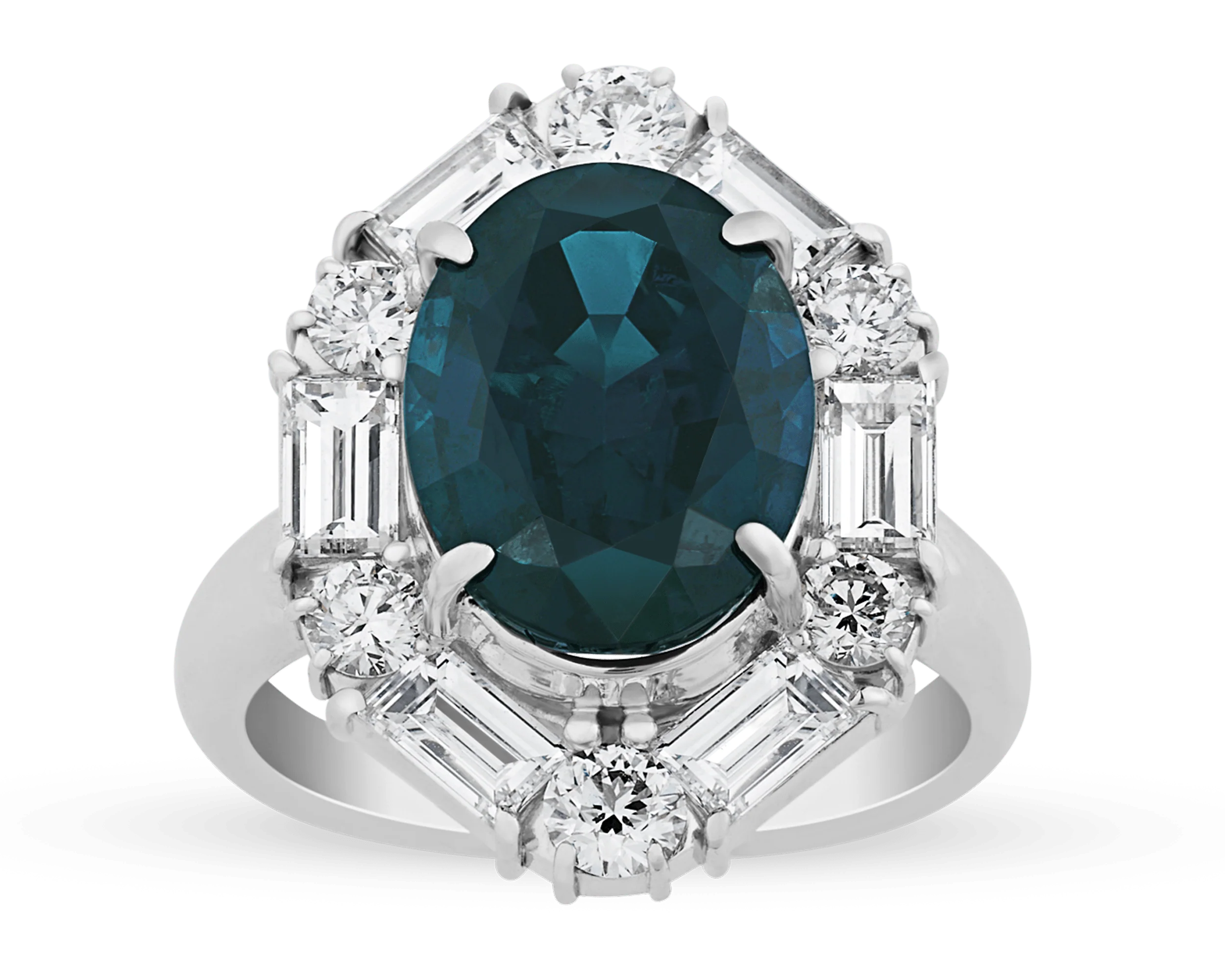
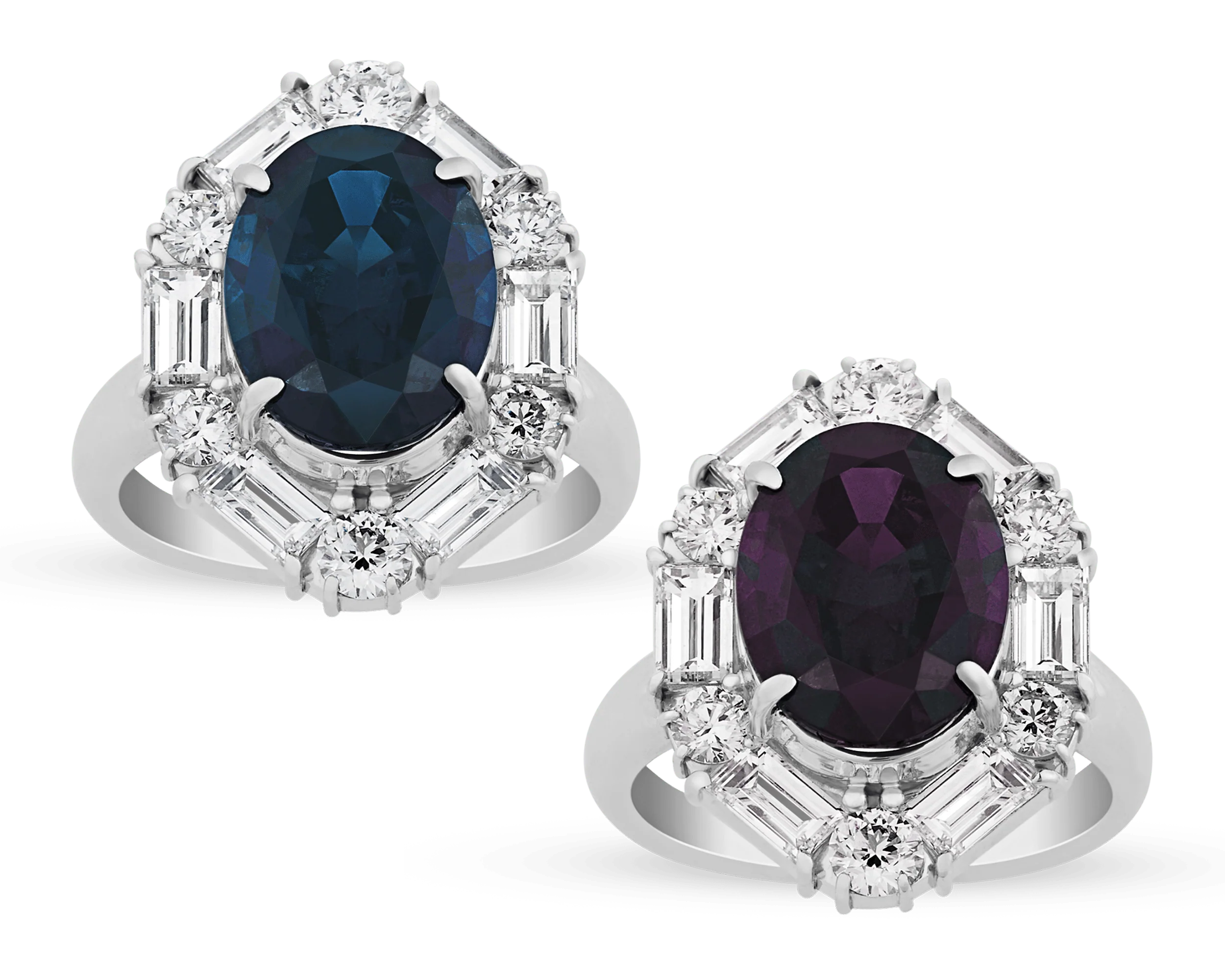
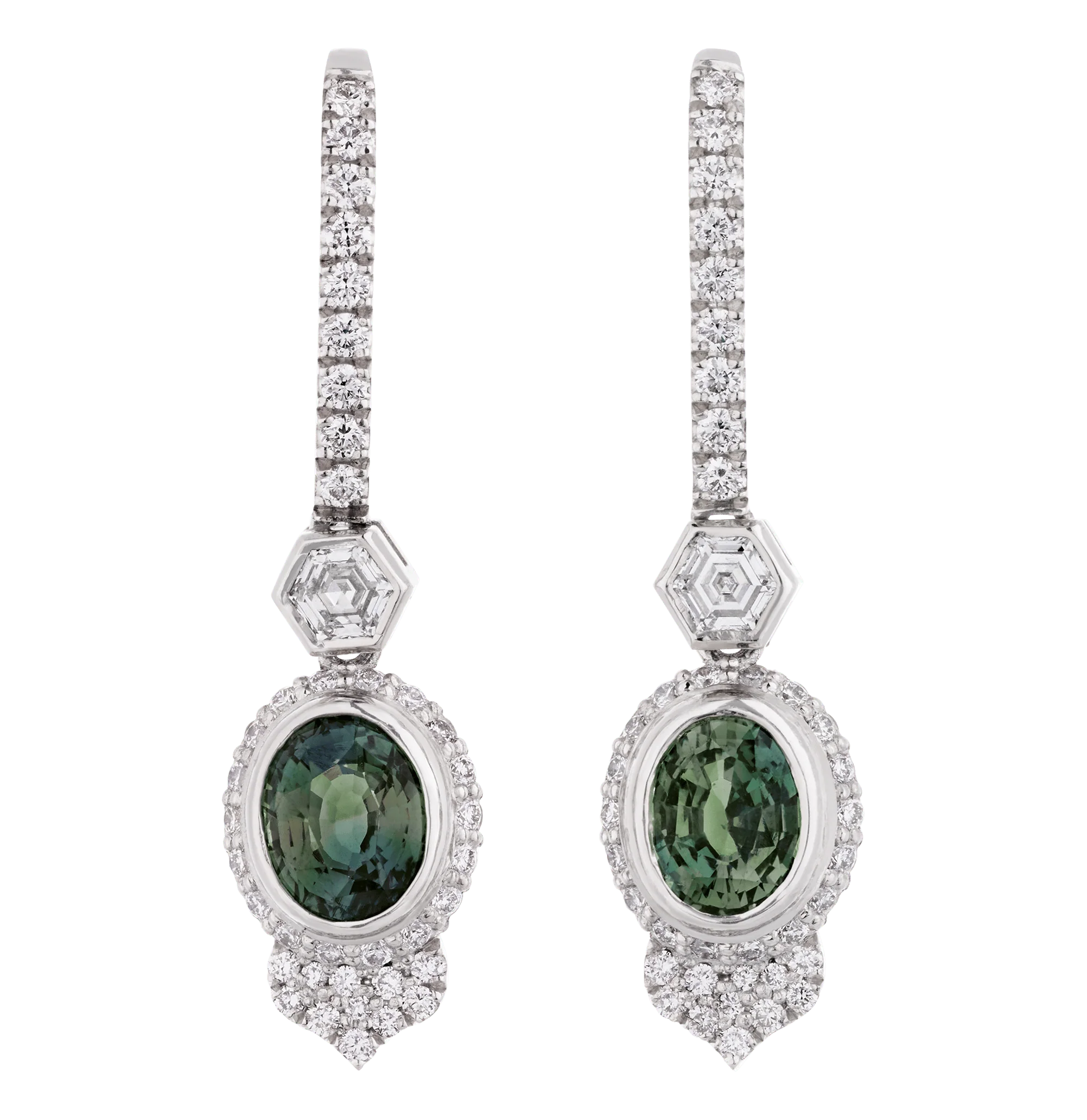
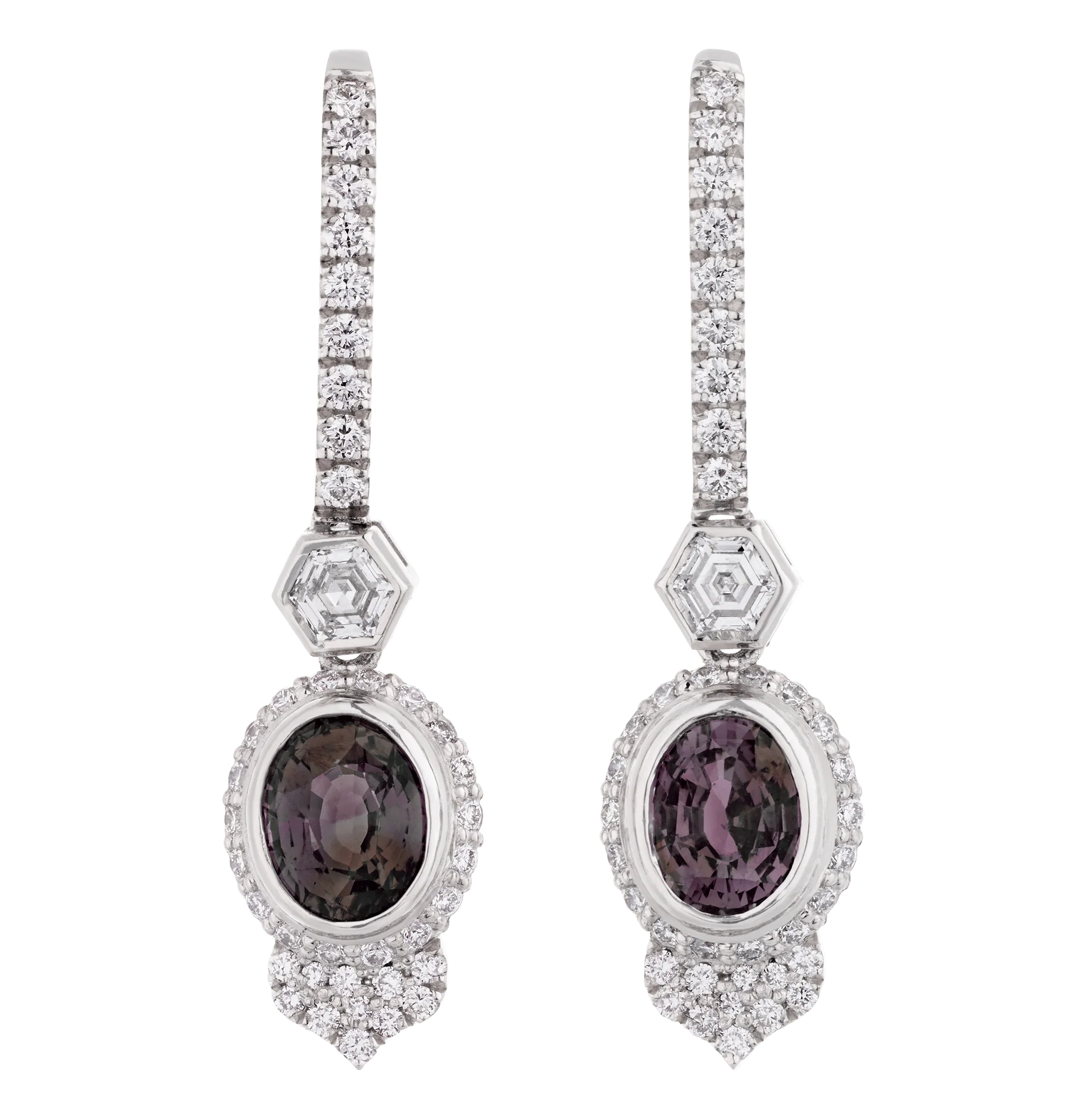
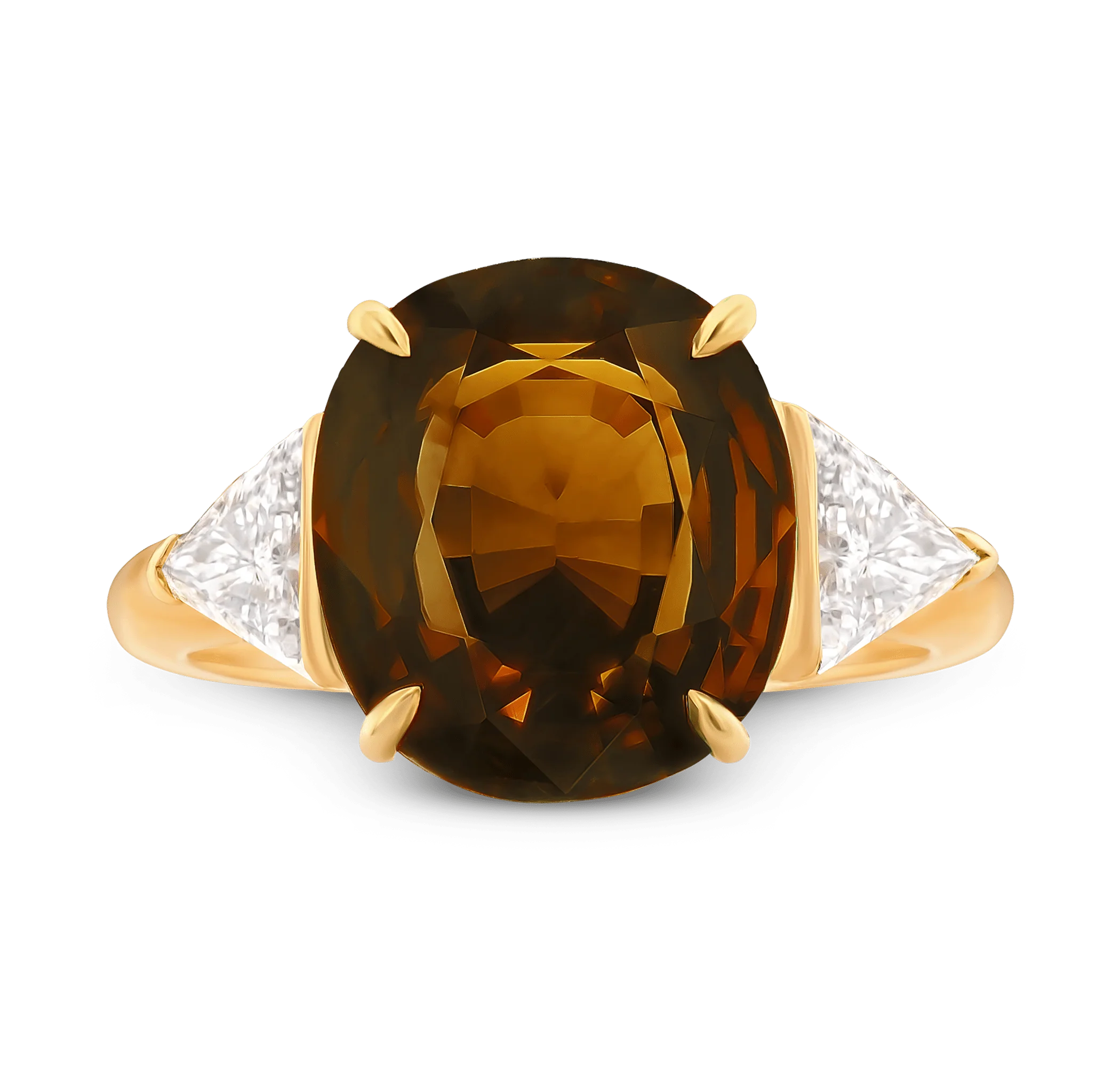
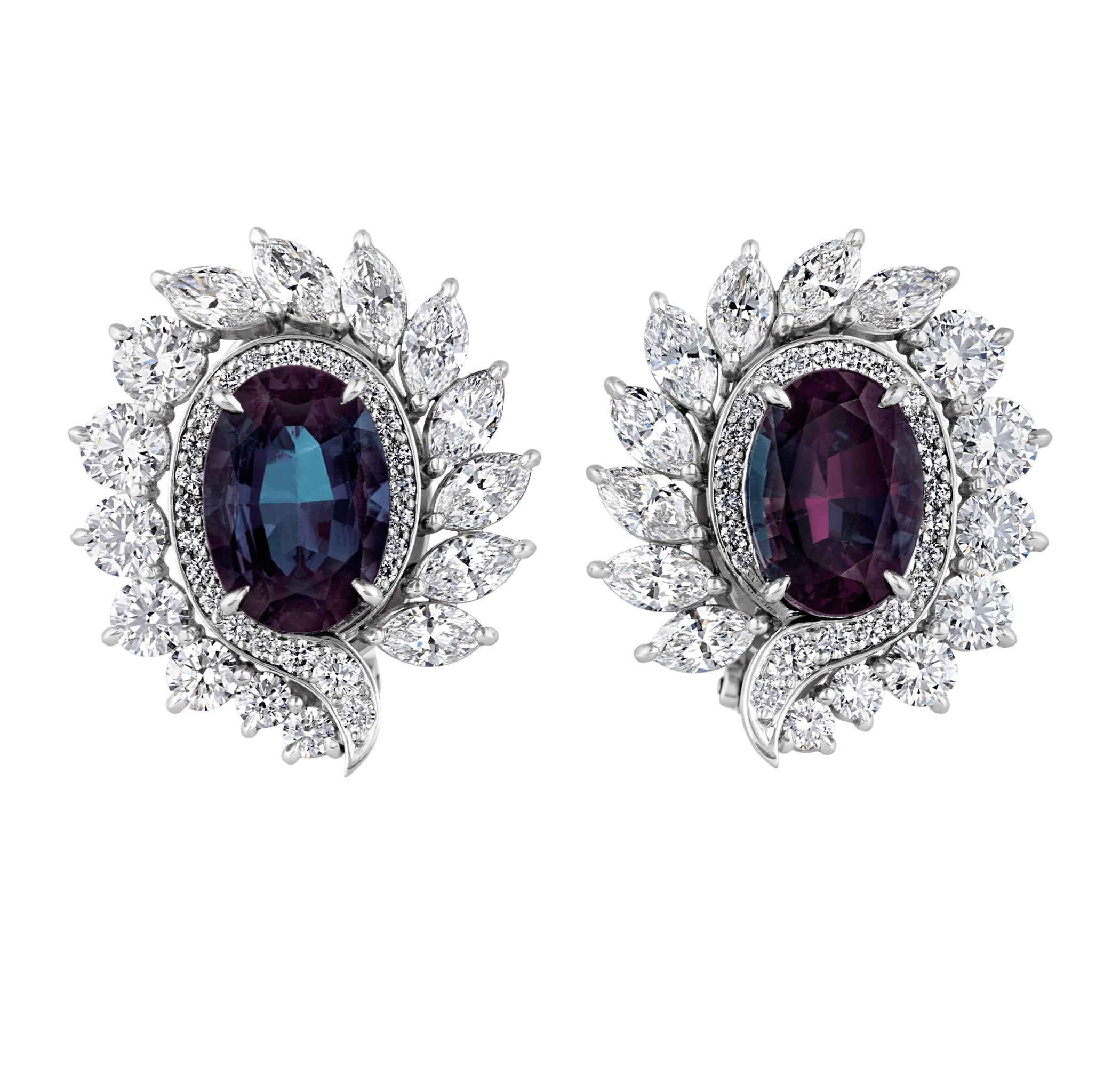
This incredible 4.74-carat untreated Brazilian alexandrite is a perfect example of the coveted color change phenomena. Unlike their Russian counterparts that change from green to red, alexandrites that hail from the mines of Brazil display a stunning bluish-green hue under white light and change to a rich, deep purple when viewed under incandescent light. This emerald cut example is also graded by the AGL as completely natural, undergoing no treatments to enhance its stunning phenomena. Beautifully set in platinum with two accent diamonds totaling 1.50 carats, this ring is a highly rare treasure.
While the alexandrite was first discovered in the Ural Mountains of Russia in the 1800s, many of the finest examples of these stones have been found in Brazil. For example, the 17.08-carat stone known as the Whitney alexandrite can be found in the Smithsonian Museum of Natural History, having been gifted to the National Gem Collection by Carolyn Wright Whitney. Like this gemstone, the Whitney alexandrite changes from bluish-green in daylight and fluorescent light to an intense purple in incandescent light. In terms of both rarity and originality, Brazilian alexandrites are in a class all their own.
Download the Report
While the alexandrite was first discovered in the Ural Mountains of Russia in the 1800s, many of the finest examples of these stones have been found in Brazil. For example, the 17.08-carat stone known as the Whitney alexandrite can be found in the Smithsonian Museum of Natural History, having been gifted to the National Gem Collection by Carolyn Wright Whitney. Like this gemstone, the Whitney alexandrite changes from bluish-green in daylight and fluorescent light to an intense purple in incandescent light. In terms of both rarity and originality, Brazilian alexandrites are in a class all their own.
Download the Report
$210,000.00
Original: $600,000.00
-65%Color-Change Brazilian Alexandrite Ring, 4.74 Carats—
$600,000.00
$210,000.00Description
This incredible 4.74-carat untreated Brazilian alexandrite is a perfect example of the coveted color change phenomena. Unlike their Russian counterparts that change from green to red, alexandrites that hail from the mines of Brazil display a stunning bluish-green hue under white light and change to a rich, deep purple when viewed under incandescent light. This emerald cut example is also graded by the AGL as completely natural, undergoing no treatments to enhance its stunning phenomena. Beautifully set in platinum with two accent diamonds totaling 1.50 carats, this ring is a highly rare treasure.
While the alexandrite was first discovered in the Ural Mountains of Russia in the 1800s, many of the finest examples of these stones have been found in Brazil. For example, the 17.08-carat stone known as the Whitney alexandrite can be found in the Smithsonian Museum of Natural History, having been gifted to the National Gem Collection by Carolyn Wright Whitney. Like this gemstone, the Whitney alexandrite changes from bluish-green in daylight and fluorescent light to an intense purple in incandescent light. In terms of both rarity and originality, Brazilian alexandrites are in a class all their own.
Download the Report
While the alexandrite was first discovered in the Ural Mountains of Russia in the 1800s, many of the finest examples of these stones have been found in Brazil. For example, the 17.08-carat stone known as the Whitney alexandrite can be found in the Smithsonian Museum of Natural History, having been gifted to the National Gem Collection by Carolyn Wright Whitney. Like this gemstone, the Whitney alexandrite changes from bluish-green in daylight and fluorescent light to an intense purple in incandescent light. In terms of both rarity and originality, Brazilian alexandrites are in a class all their own.
Download the Report