🎉 Up to 70% Off Selected ItemsShop Sale

Le Turban Orange by Tamara de Lempicka
Tamara De Lempicka
1898-1980 | Polish
Le turban orange
(The Orange Turban)
Oil on canvas
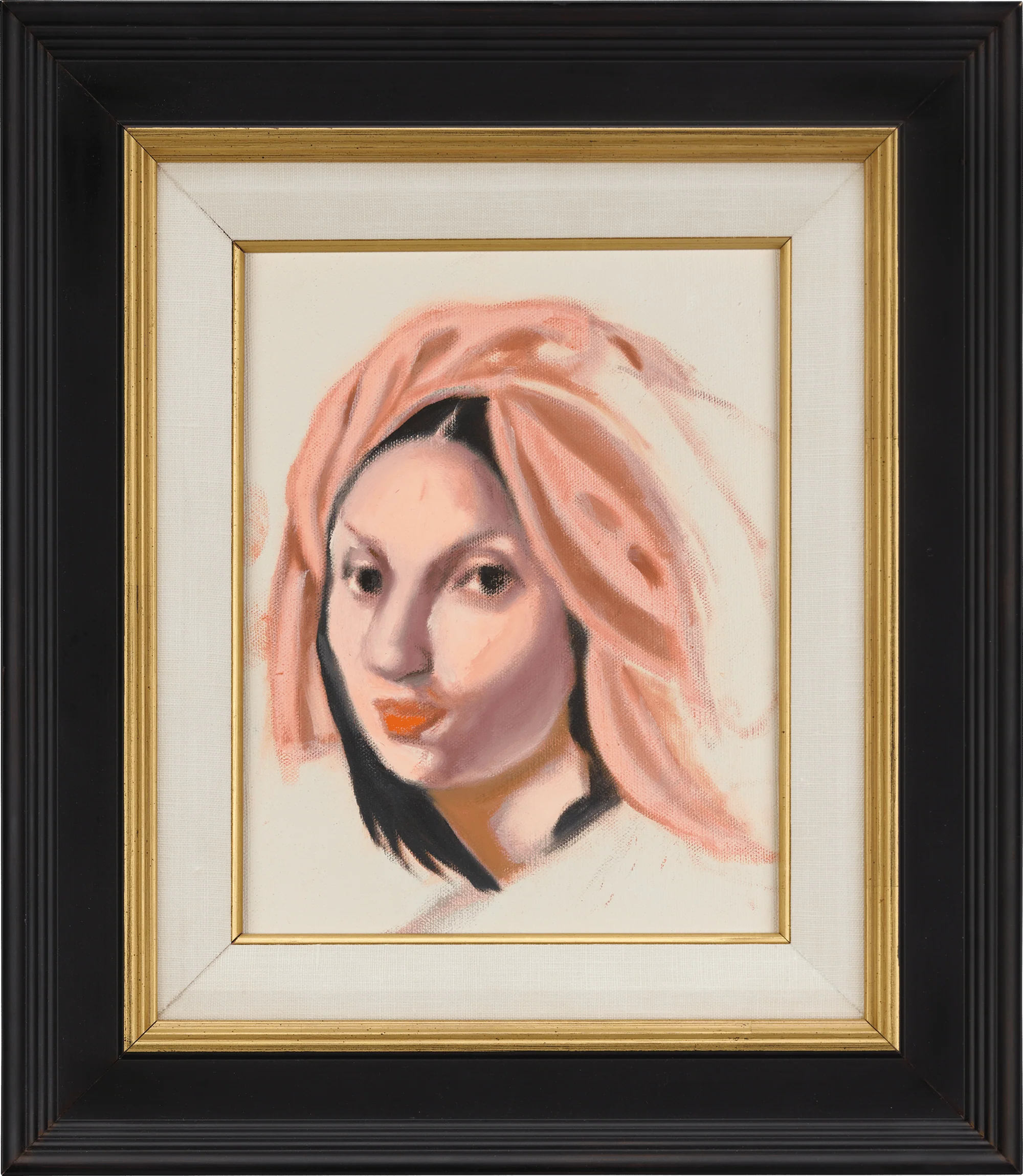
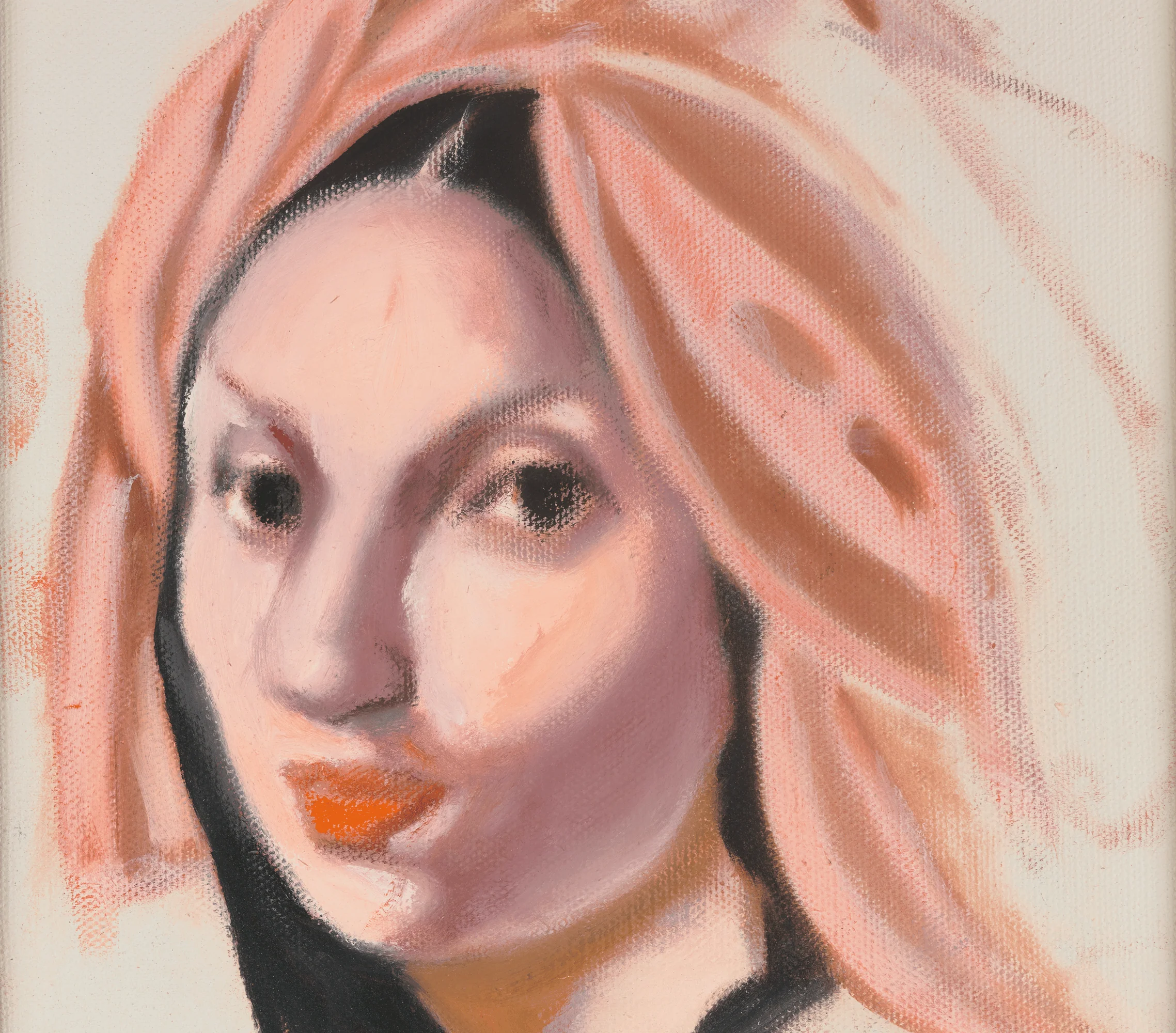
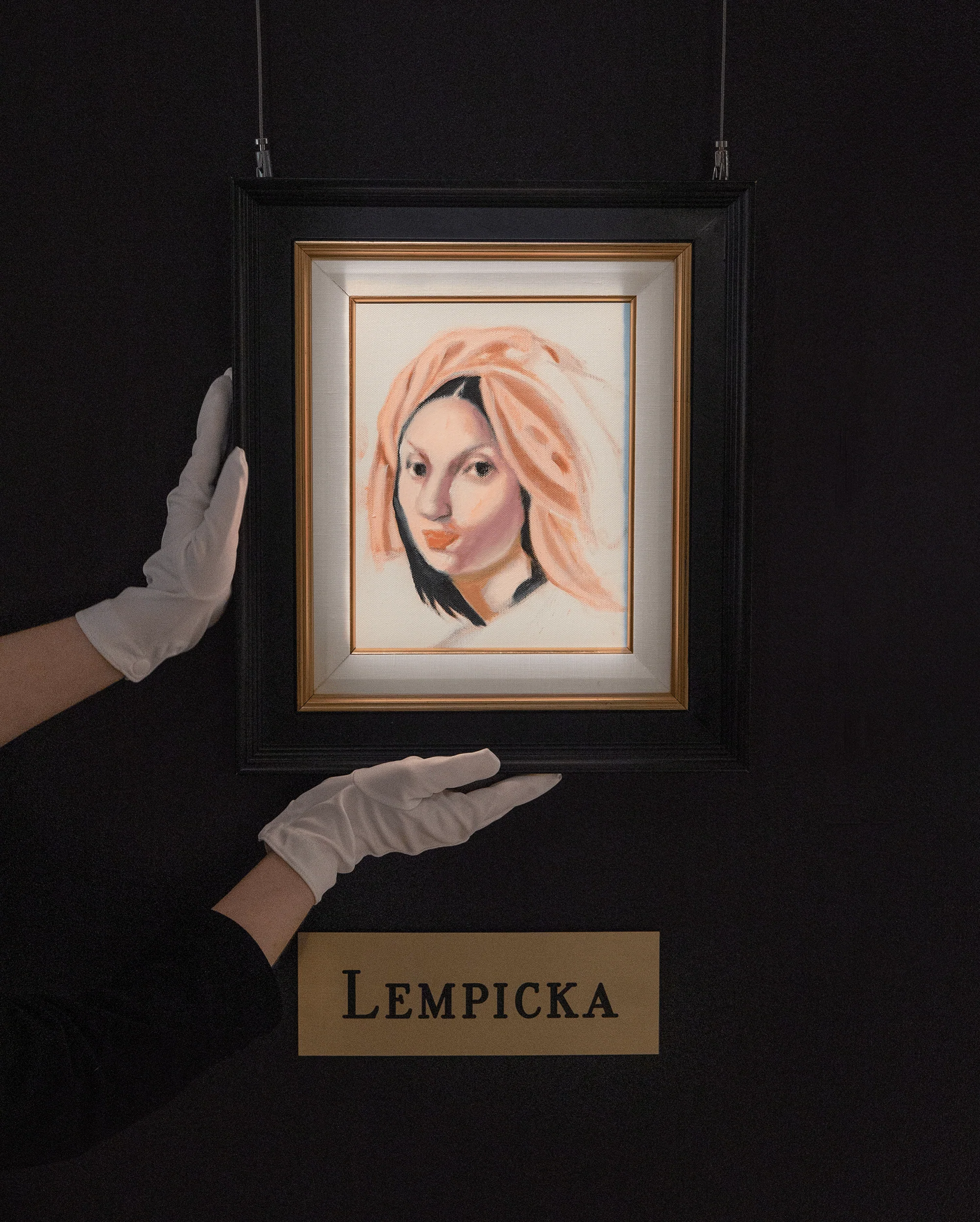
Wrapped in a spectacular orange headdress, the alluring woman at the center of this portrait is a signature subject of famed Art Deco artist Tamara de Lempicka. Her iconic portraits of women have come to define her esteemed oeuvre, and this turbaned sitter is one that she returned to and repeated the most throughout her long career.
Gazing out at the viewer with mesmerizing intensity, the woman's visage is rendered in Lempicka's typical feminine color palette and softness. The artist captures the planes of her subject's face and the deep folds of her turban with masterful depth. Based on two earlier paintings from 1945, Lempicka returned to this idealized woman in an orange turban again in the 1970s. After the huge success of her major retrospective at Galerie Luxembourg in 1972, Lempicka answered the call to reprise some of her greatest and most beloved works for avid collectors—with the mysterious woman in the orange turban among them. Today, versions of this important subject can be found in museum collections including the Musée d’Art Moderne in Le Havre, France.
Born in Poland at the turn of the 20th century, Lempicka was forced to flee to France in 1918 after the beginning of the Russian Revolution. During a visit to Italy in her youth, she became enraptured by the Italian Old Masters. Inspired by this formative experience, Lempicka enrolled in Académie de la Grande Chaumière in Paris to take up painting. She studied under famed avant-garde artists Maurice Denis and André Lhote, who introduced her to Cubism, and she began exhibiting at the Parisian salons as early as 1922. Lempicka became a fixture in Parisian high society, spending much of her time hosting wealthy elites in her atelier on Rue Méchain.
With a resurgence of appreciation for the Art Deco period, combined with the success of her retrospective at Galerie de Luxembourg in 1971, Lempicka’s work has achieved remarkable acclaim in recent decades. Much of her work resides in museums worldwide, including the Metropolitan Museum of Art, the Musée des Beaux-Arts du Havre, and the National Museum Warsaw, among others. Alain Blondel, the esteemed French author who compiled the artist’s catalogue raisonné, wrote fondly of her uniqueness: “Tamara de Lempicka will always continue to defy categorization. Her art and her life destiny do not fit into the usual framework for 20th-century artists. The idea that art could be a profession was foreign to Lempicka. Her life and her painting were too closely intertwined for that.”
Circa 1975
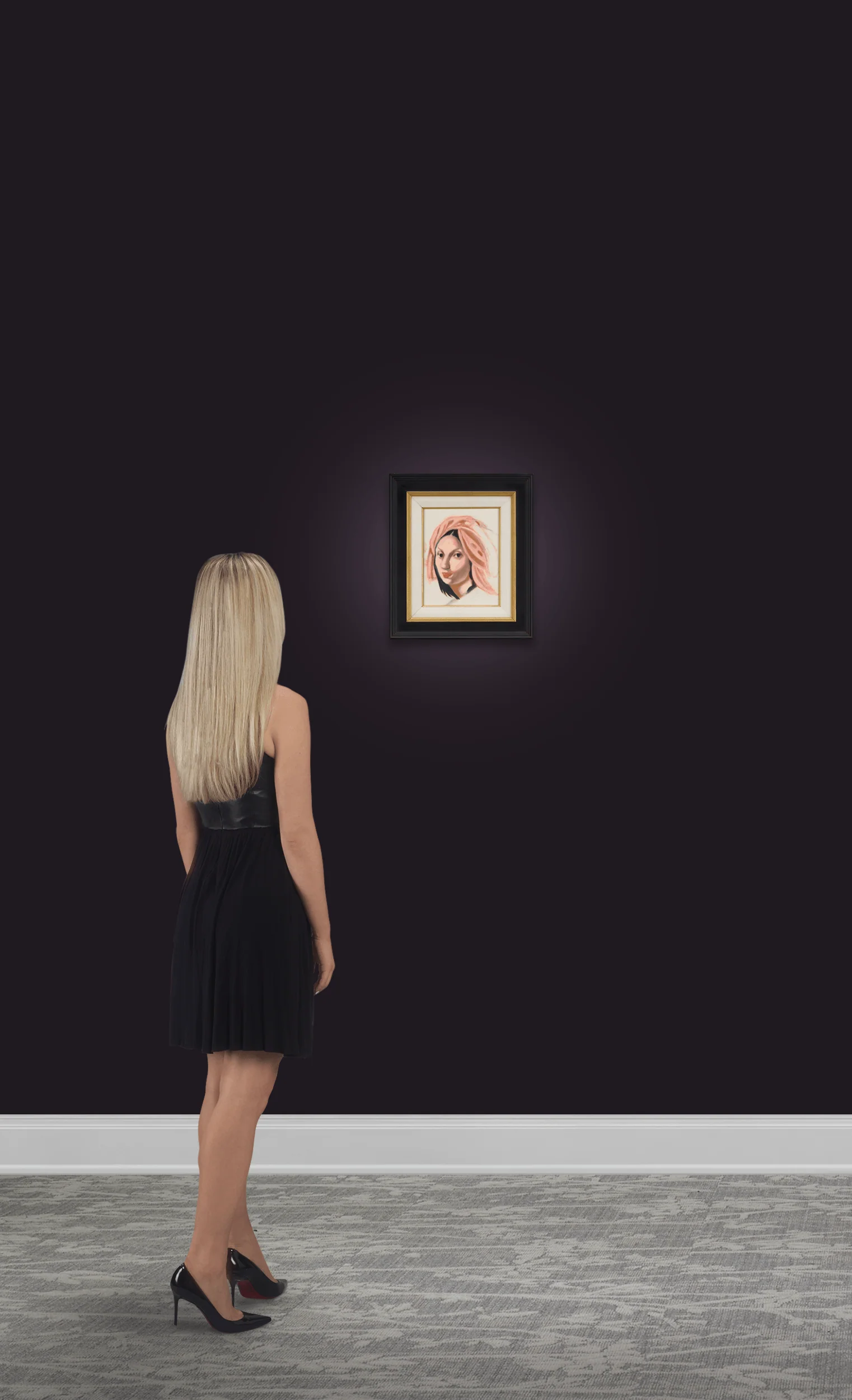
Canvas: 9 1/2" high x 7 5/8" wide (24.13 x 19.37 cm)
Frame: 13" high x 11" wide x 1" deep (33.02 x 27.94 x 2.54 cm)
Provenance:
By descent, from the artist
1898-1980 | Polish
Le turban orange
(The Orange Turban)
Oil on canvas
Wrapped in a spectacular orange headdress, the alluring woman at the center of this portrait is a signature subject of famed Art Deco artist Tamara de Lempicka. Her iconic portraits of women have come to define her esteemed oeuvre, and this turbaned sitter is one that she returned to and repeated the most throughout her long career.
Gazing out at the viewer with mesmerizing intensity, the woman's visage is rendered in Lempicka's typical feminine color palette and softness. The artist captures the planes of her subject's face and the deep folds of her turban with masterful depth. Based on two earlier paintings from 1945, Lempicka returned to this idealized woman in an orange turban again in the 1970s. After the huge success of her major retrospective at Galerie Luxembourg in 1972, Lempicka answered the call to reprise some of her greatest and most beloved works for avid collectors—with the mysterious woman in the orange turban among them. Today, versions of this important subject can be found in museum collections including the Musée d’Art Moderne in Le Havre, France.
Born in Poland at the turn of the 20th century, Lempicka was forced to flee to France in 1918 after the beginning of the Russian Revolution. During a visit to Italy in her youth, she became enraptured by the Italian Old Masters. Inspired by this formative experience, Lempicka enrolled in Académie de la Grande Chaumière in Paris to take up painting. She studied under famed avant-garde artists Maurice Denis and André Lhote, who introduced her to Cubism, and she began exhibiting at the Parisian salons as early as 1922. Lempicka became a fixture in Parisian high society, spending much of her time hosting wealthy elites in her atelier on Rue Méchain.
With a resurgence of appreciation for the Art Deco period, combined with the success of her retrospective at Galerie de Luxembourg in 1971, Lempicka’s work has achieved remarkable acclaim in recent decades. Much of her work resides in museums worldwide, including the Metropolitan Museum of Art, the Musée des Beaux-Arts du Havre, and the National Museum Warsaw, among others. Alain Blondel, the esteemed French author who compiled the artist’s catalogue raisonné, wrote fondly of her uniqueness: “Tamara de Lempicka will always continue to defy categorization. Her art and her life destiny do not fit into the usual framework for 20th-century artists. The idea that art could be a profession was foreign to Lempicka. Her life and her painting were too closely intertwined for that.”
Circa 1975
Canvas: 9 1/2" high x 7 5/8" wide (24.13 x 19.37 cm)
Frame: 13" high x 11" wide x 1" deep (33.02 x 27.94 x 2.54 cm)
Provenance:
By descent, from the artist
$97,475.00
Original: $278,500.00
-65%Le Turban Orange by Tamara de Lempicka—
$278,500.00
$97,475.00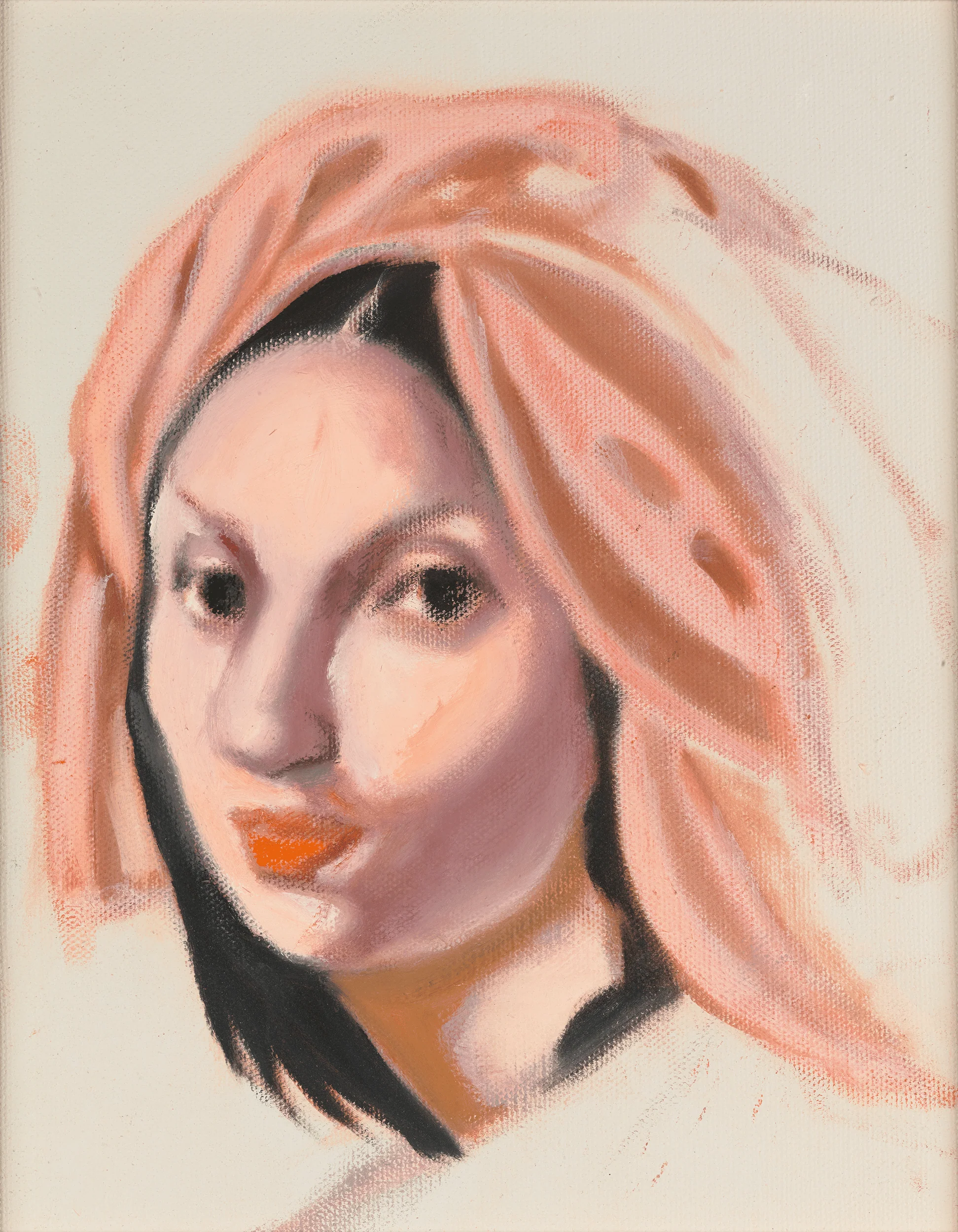
Description
Tamara De Lempicka
1898-1980 | Polish
Le turban orange
(The Orange Turban)
Oil on canvas
Wrapped in a spectacular orange headdress, the alluring woman at the center of this portrait is a signature subject of famed Art Deco artist Tamara de Lempicka. Her iconic portraits of women have come to define her esteemed oeuvre, and this turbaned sitter is one that she returned to and repeated the most throughout her long career.
Gazing out at the viewer with mesmerizing intensity, the woman's visage is rendered in Lempicka's typical feminine color palette and softness. The artist captures the planes of her subject's face and the deep folds of her turban with masterful depth. Based on two earlier paintings from 1945, Lempicka returned to this idealized woman in an orange turban again in the 1970s. After the huge success of her major retrospective at Galerie Luxembourg in 1972, Lempicka answered the call to reprise some of her greatest and most beloved works for avid collectors—with the mysterious woman in the orange turban among them. Today, versions of this important subject can be found in museum collections including the Musée d’Art Moderne in Le Havre, France.
Born in Poland at the turn of the 20th century, Lempicka was forced to flee to France in 1918 after the beginning of the Russian Revolution. During a visit to Italy in her youth, she became enraptured by the Italian Old Masters. Inspired by this formative experience, Lempicka enrolled in Académie de la Grande Chaumière in Paris to take up painting. She studied under famed avant-garde artists Maurice Denis and André Lhote, who introduced her to Cubism, and she began exhibiting at the Parisian salons as early as 1922. Lempicka became a fixture in Parisian high society, spending much of her time hosting wealthy elites in her atelier on Rue Méchain.
With a resurgence of appreciation for the Art Deco period, combined with the success of her retrospective at Galerie de Luxembourg in 1971, Lempicka’s work has achieved remarkable acclaim in recent decades. Much of her work resides in museums worldwide, including the Metropolitan Museum of Art, the Musée des Beaux-Arts du Havre, and the National Museum Warsaw, among others. Alain Blondel, the esteemed French author who compiled the artist’s catalogue raisonné, wrote fondly of her uniqueness: “Tamara de Lempicka will always continue to defy categorization. Her art and her life destiny do not fit into the usual framework for 20th-century artists. The idea that art could be a profession was foreign to Lempicka. Her life and her painting were too closely intertwined for that.”
Circa 1975
Canvas: 9 1/2" high x 7 5/8" wide (24.13 x 19.37 cm)
Frame: 13" high x 11" wide x 1" deep (33.02 x 27.94 x 2.54 cm)
Provenance:
By descent, from the artist
1898-1980 | Polish
Le turban orange
(The Orange Turban)
Oil on canvas
Wrapped in a spectacular orange headdress, the alluring woman at the center of this portrait is a signature subject of famed Art Deco artist Tamara de Lempicka. Her iconic portraits of women have come to define her esteemed oeuvre, and this turbaned sitter is one that she returned to and repeated the most throughout her long career.
Gazing out at the viewer with mesmerizing intensity, the woman's visage is rendered in Lempicka's typical feminine color palette and softness. The artist captures the planes of her subject's face and the deep folds of her turban with masterful depth. Based on two earlier paintings from 1945, Lempicka returned to this idealized woman in an orange turban again in the 1970s. After the huge success of her major retrospective at Galerie Luxembourg in 1972, Lempicka answered the call to reprise some of her greatest and most beloved works for avid collectors—with the mysterious woman in the orange turban among them. Today, versions of this important subject can be found in museum collections including the Musée d’Art Moderne in Le Havre, France.
Born in Poland at the turn of the 20th century, Lempicka was forced to flee to France in 1918 after the beginning of the Russian Revolution. During a visit to Italy in her youth, she became enraptured by the Italian Old Masters. Inspired by this formative experience, Lempicka enrolled in Académie de la Grande Chaumière in Paris to take up painting. She studied under famed avant-garde artists Maurice Denis and André Lhote, who introduced her to Cubism, and she began exhibiting at the Parisian salons as early as 1922. Lempicka became a fixture in Parisian high society, spending much of her time hosting wealthy elites in her atelier on Rue Méchain.
With a resurgence of appreciation for the Art Deco period, combined with the success of her retrospective at Galerie de Luxembourg in 1971, Lempicka’s work has achieved remarkable acclaim in recent decades. Much of her work resides in museums worldwide, including the Metropolitan Museum of Art, the Musée des Beaux-Arts du Havre, and the National Museum Warsaw, among others. Alain Blondel, the esteemed French author who compiled the artist’s catalogue raisonné, wrote fondly of her uniqueness: “Tamara de Lempicka will always continue to defy categorization. Her art and her life destiny do not fit into the usual framework for 20th-century artists. The idea that art could be a profession was foreign to Lempicka. Her life and her painting were too closely intertwined for that.”
Circa 1975
Canvas: 9 1/2" high x 7 5/8" wide (24.13 x 19.37 cm)
Frame: 13" high x 11" wide x 1" deep (33.02 x 27.94 x 2.54 cm)
Provenance:
By descent, from the artist